
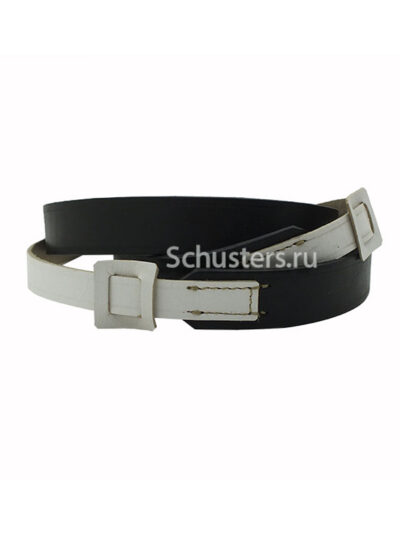
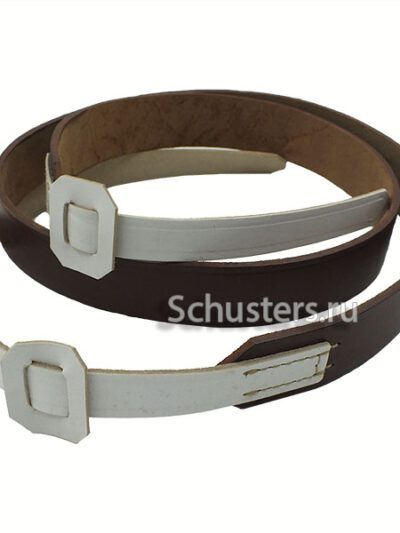
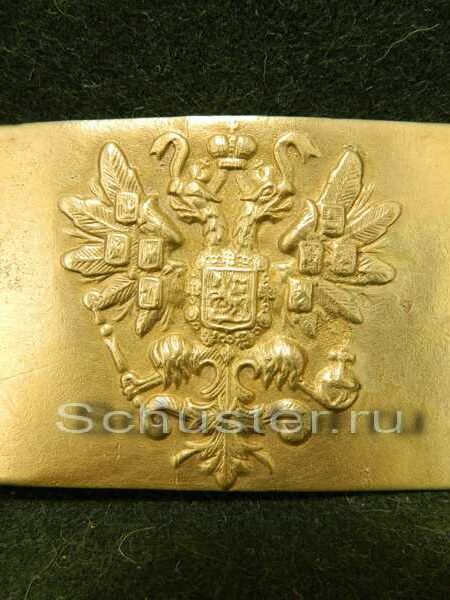
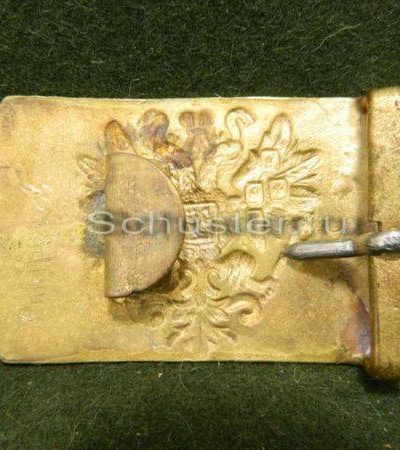
Belt Buckle for lower ranks (infantry) 1907 (Бляха поясная для нижних чинов пехоты обр. 1907 г. ) M1-019-S
$ 30.0 per itemReplica.
Belt not included.
Made of brass. Stamped buckle.
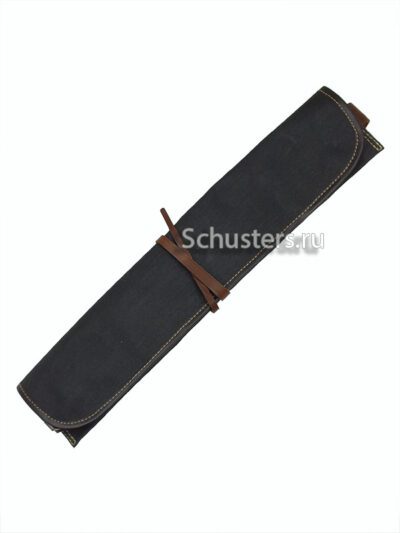
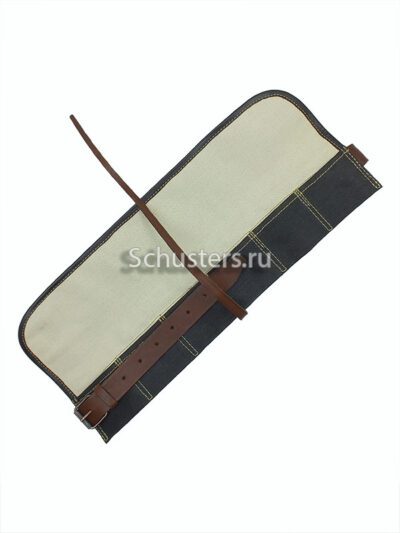
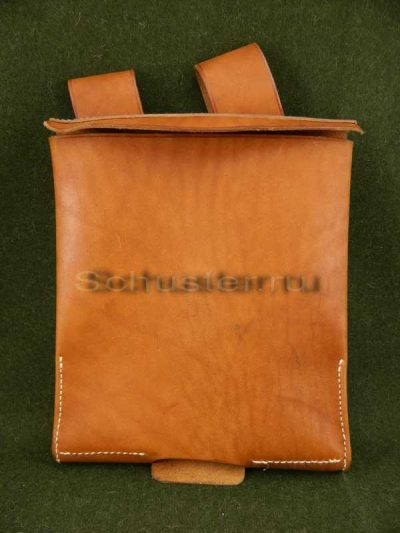
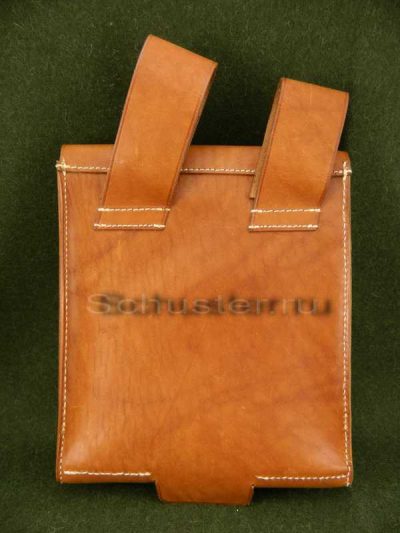
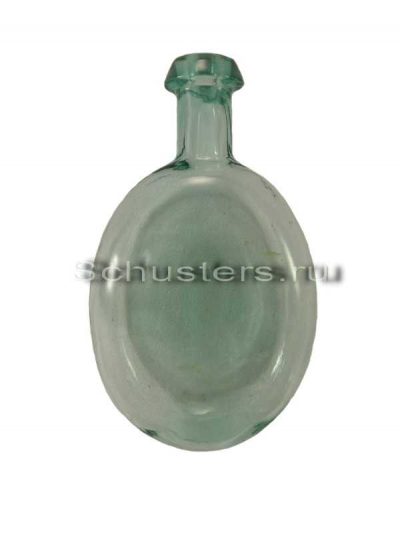
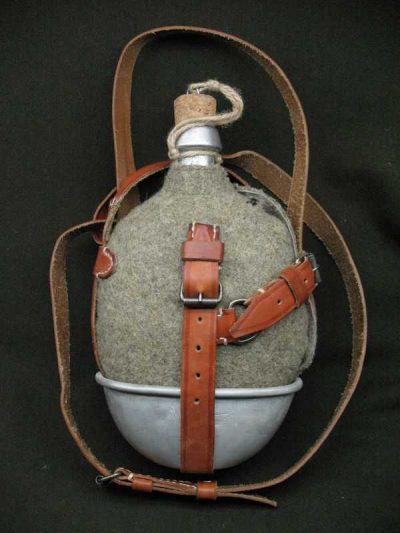
Glass flask (Фляга стеклянная) M6-047-S
$ 30.0 per itemThe original glass soldier’s flask of the First World War period.
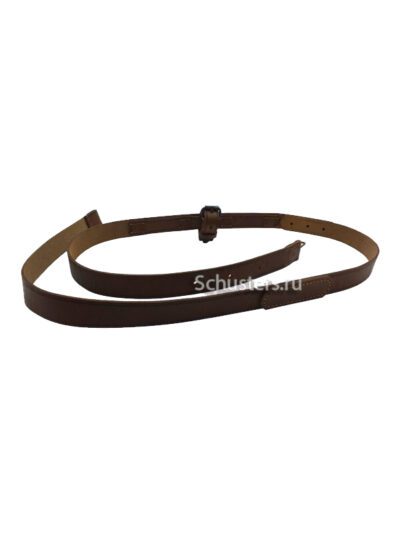
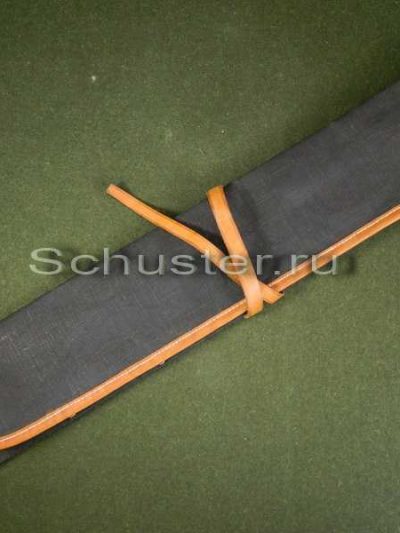
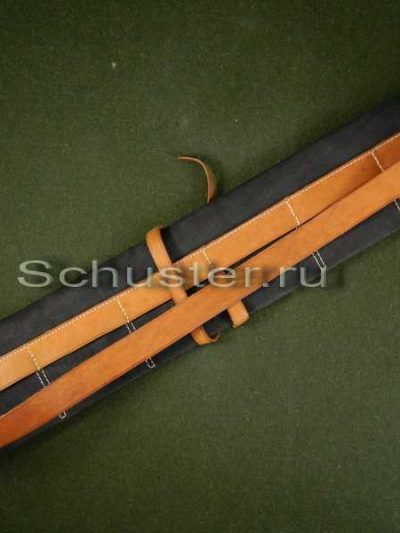
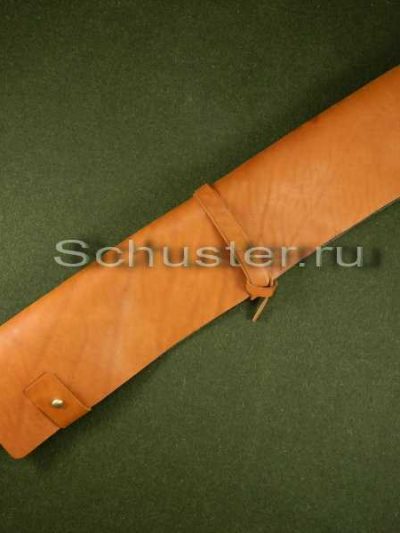
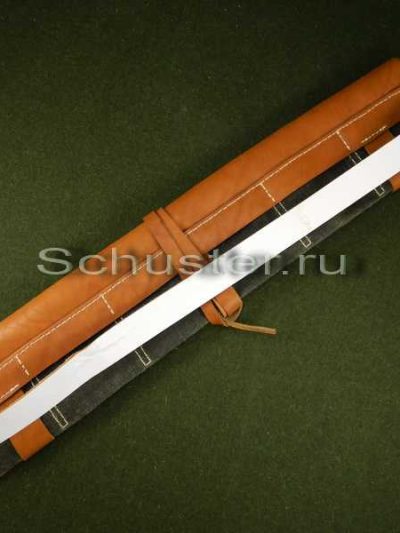
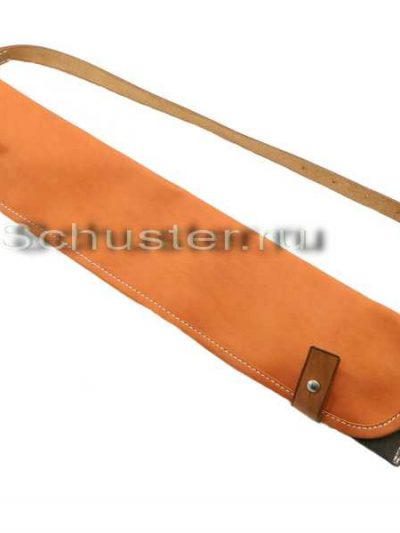
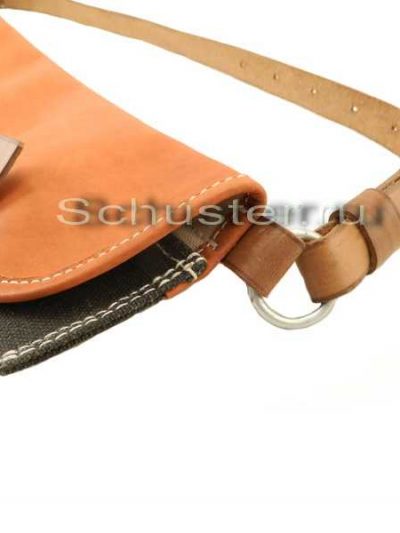
Bandoleer Infantry, for 30 rounds Pattern 1900 (Патронташ нагрудный на 30 патронов обр. 1900 г. (для казачьих частей) M1-059-S
$ 35.0 per itemIt made for Cossack regiments
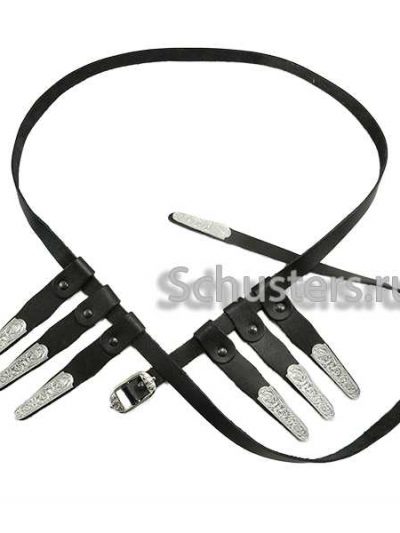
Caucasian belt (Пояс наборный кавказский) M1-076-U
$ 35.0 per itemThe element of clothing of the mountain Cossack units, as well as men’s clothing of the peoples of the Caucasus.
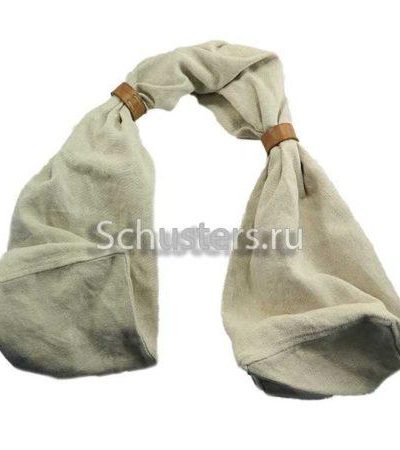
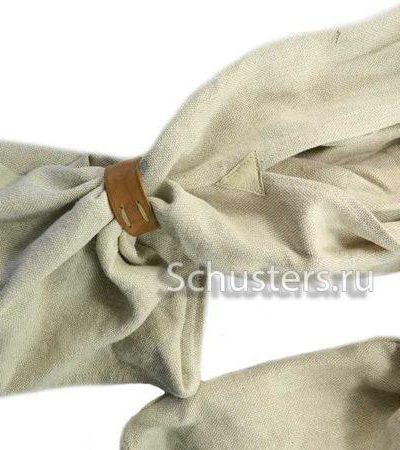
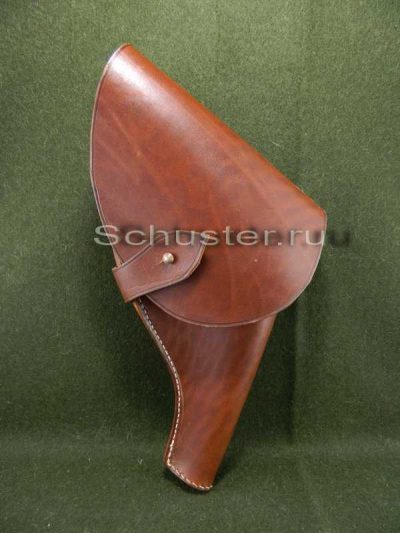
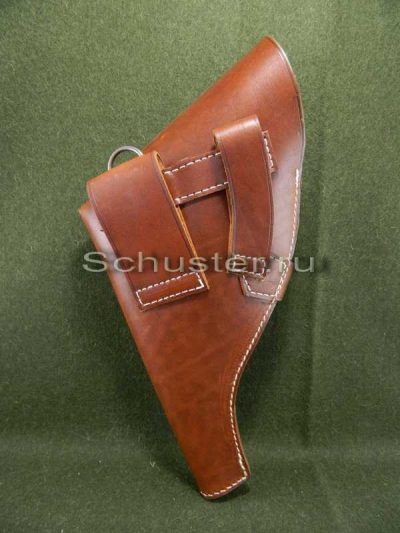
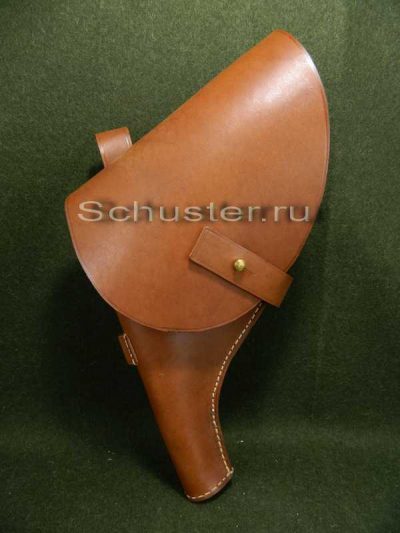
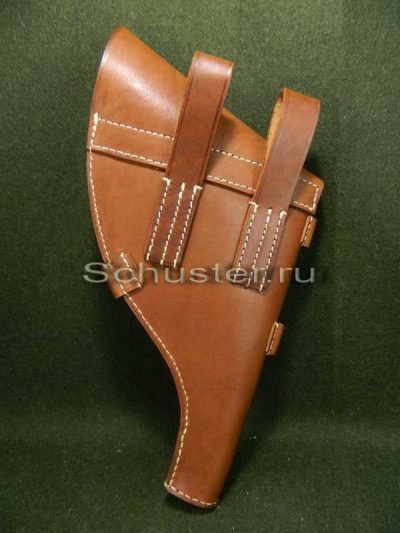
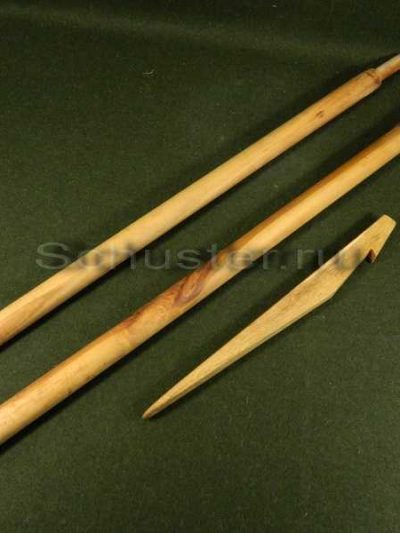
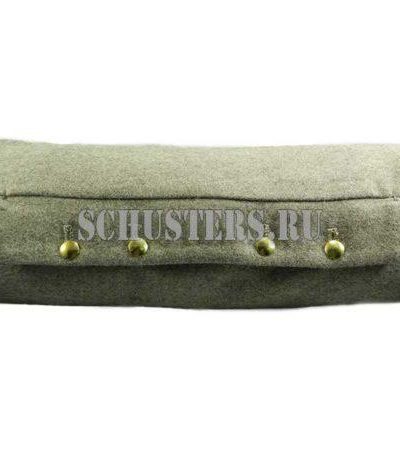
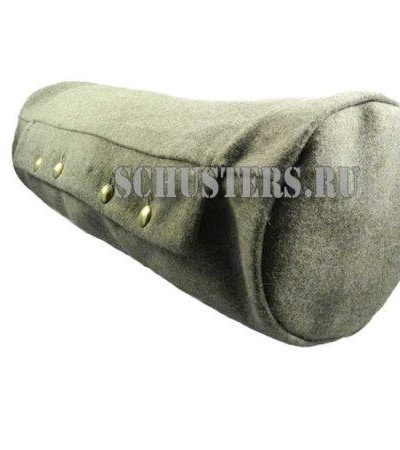
Cavalry Suitcase (Napoleonic Wars Era) (Чемодан кавалерийский (эпоха наполеоновских войн)) M6-133-N
$ 40.0 per itemCavalry suitcase for storing the personal belongings of the cavalryman. Fastened with straps to the rear of the saddle.
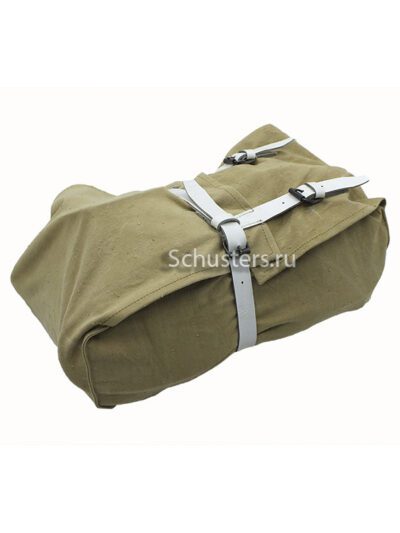
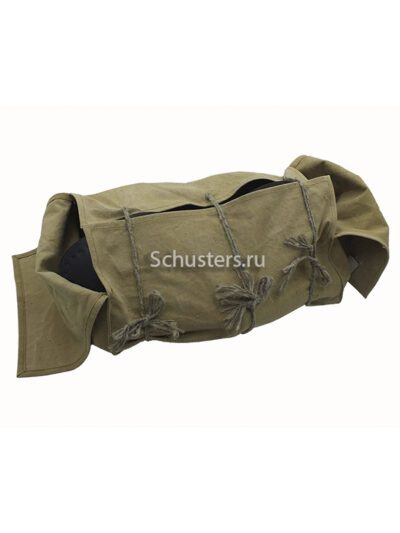
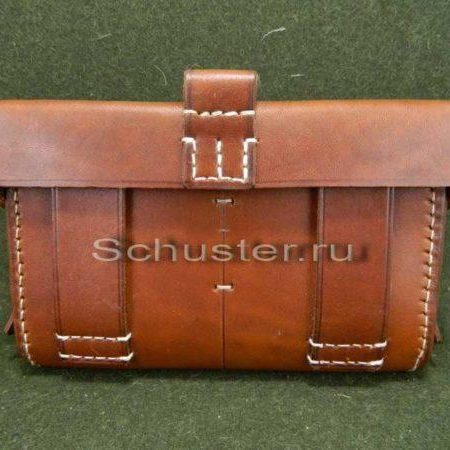
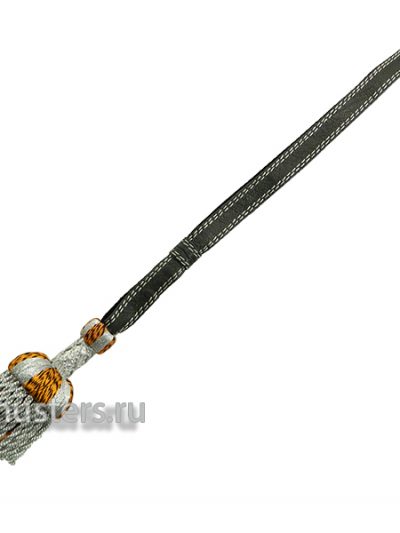
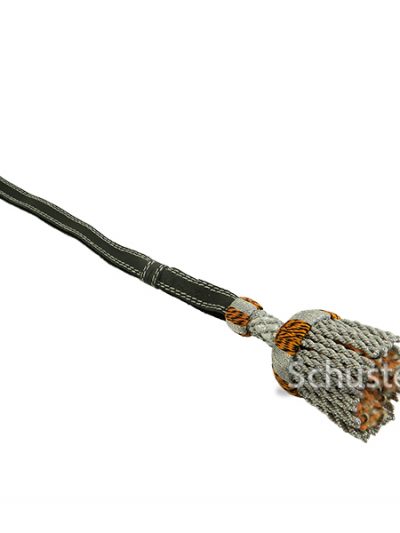
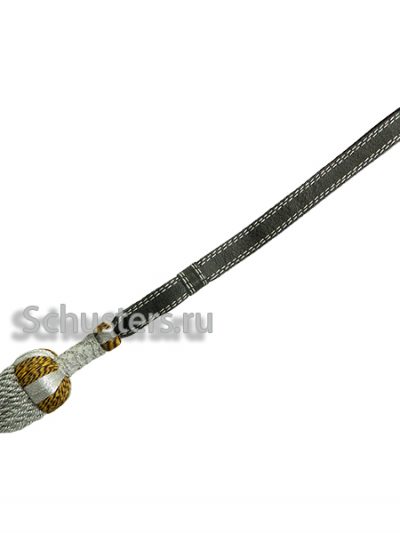
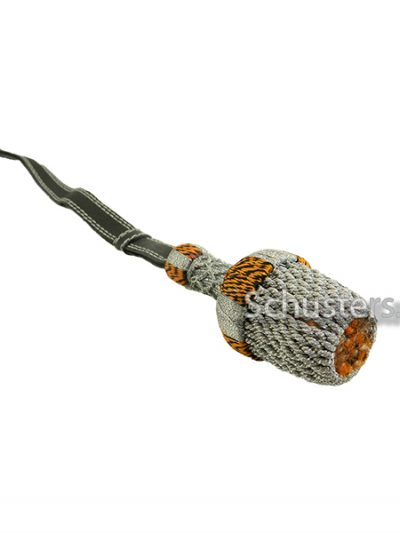
SWORD KNOT (CAVALRY) (Темляк к шашке (Кавалерия)) M1-075-S
$ 65.0 per itemThe black leather strap is stitched with silver with a round silver tassel loose at the end. It is supposed to be worn with broadswords, sabers and sabers of the Asian type, as well as in the Guard Cossack units.
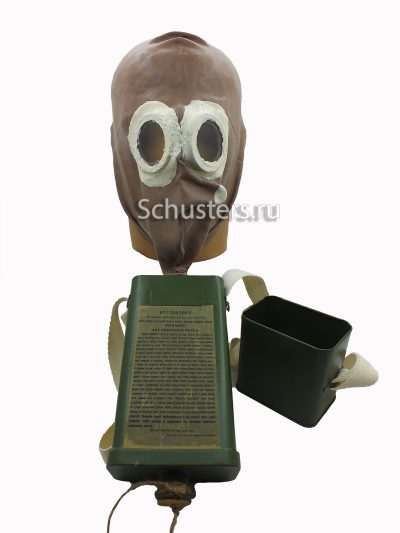
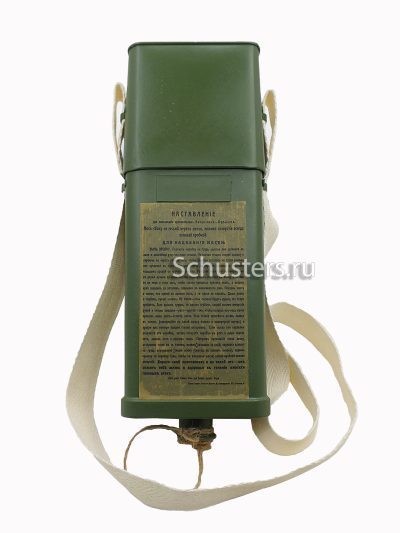
Replica of the Zelinsky-Kummant gas mask (Копия противогаза Зелинского – Кумманта) М1-085-S
$ 69.0 per itemThe Zelinsky-Kummant gas mask was the world’s first gas mask capable of absorbing a wide range of chemical warfare agents. It was developed in 1915 by Nikolai Zelinsky, a chemistry professor from St. Petersburg, and M.I. Kummant, a technologist at the Treugolnik plant. The design was later improved by I.D. Avalov and put into mass production. After it was adopted by the Imperial Russian Army during World War I, the number of casualties from chemical attacks dropped sharply.
Important: This is a replica. Use in smoky conditions is strictly prohibited!!!
It does not contain a filter element; the product is shipped without a plug in the box.
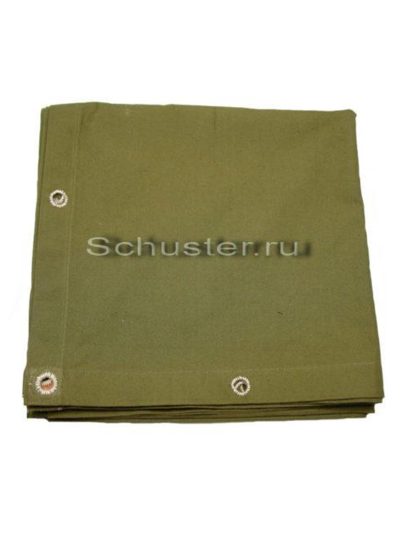
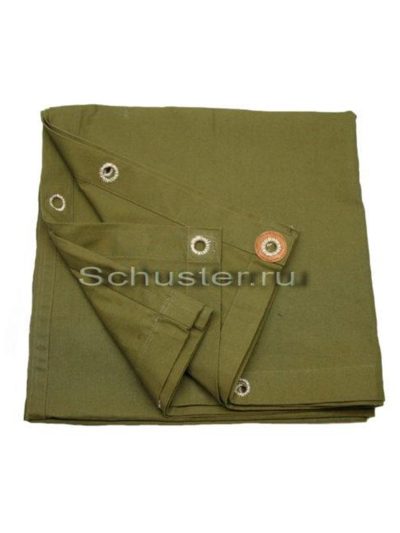
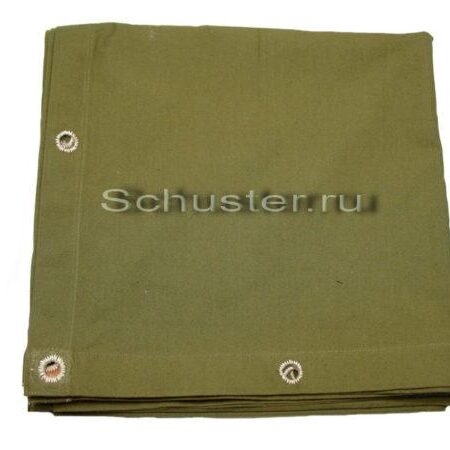
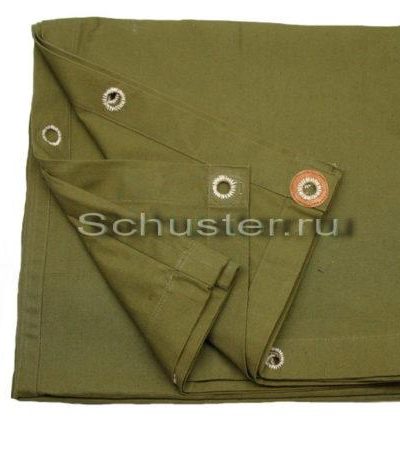
Awning for officer’s tent (Тент для офицерской палатки) M1-067-S
$ 80.0 per itemSize 55.3 x 57.1 vershok (246*254 cm)
Made of raincoat fabric
Original soldier’s chest
$ 100.0 per itemOriginal wooden chest, with lock and key, not large sizes. Found in the attic of an old house. A similar chest was available for every soldier of the Russian imperial army. In it he kept a razor, shaving brush, soap, warm clothes, removable underwear, letters and other personal items. The chests were both not painted and painted with paint of any color. There are also newspaper pictures and portraits of the emperor painted on the outside and decorated with newspaper pictures glued on the lid of the chest. Also on the lid of such a chest was supposed to stick an inventory of the contents, indicating the name of the owner, regiment number and company. The chest was kept under the soldier’s bed. In case of leaving for dismissal – he surrendered with a key to the captain army, and with the beginning of hostilities he followed the soldier in the wagon train.
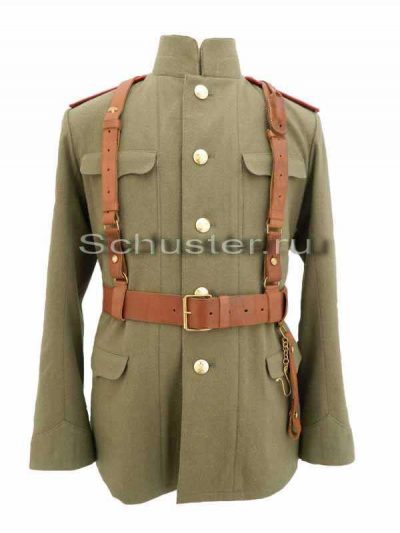
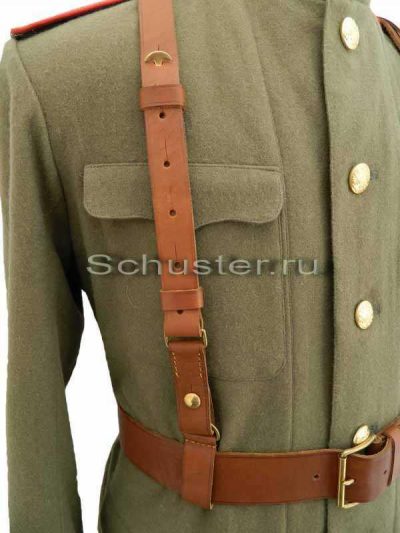
Officer’s Field belt Pattern 1912 (Офицерское походное снаряжение обр. 1912 г. ) M1-048-S
$ 150.0 per itemMade to size of the client